


By Aanchal Yogesh, Inner Space Interior Design Studio

When most people think of pendant lights, they picture a kitchen island or maybe a dining table. These are practical choices, they centre light over a work surface or gathering point. But pendants can do more than illuminate countertops.
In 17 years of designing homes across Bangalore, Chennai and Goa, I've found pendants work especially well in spots most people overlook: reading corners,bedroom vanities, or beside beds instead of table lamps. Pendants work like visual anchors. They draw attention to a spot and give it importance.
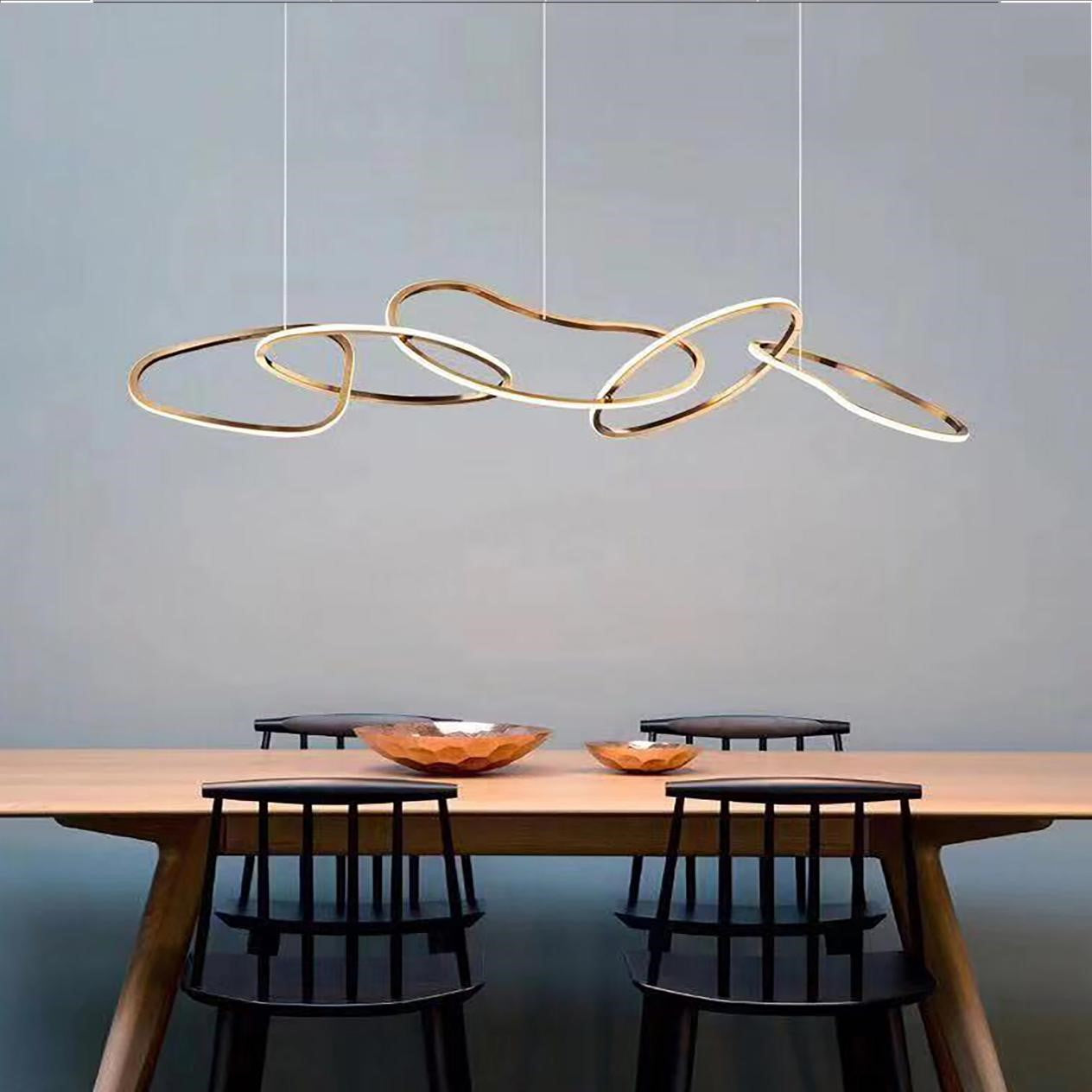
Over the years, we've sourced many of our pendant lights from Light & Living in Bangalore. Their HSR Layout showroom has four floors of options from simple glass globes to statement brass pieces which makes it easier to find the right fixture for different spaces and budgets. When a project needs something specific, their team helps us track it down. That kind of support matters when you're trying to get the details right.
Here's what I consider when choosing pendant lights for different areas in a home.
Pendant lights for reading corners
A reading corner typically has an armchair, maybe a side table, and some books. A pendant pulls it all together and makes it a spot you actually want to sit and read.
Floor lamps are the obvious choice, but they take up space and compete with the furniture. A pendant hangs above, leaving the floor clear. For a recent turnkey villa project, we had a corner with floral wallpaper—the family wanted it to feel like a proper reading spot, so we hung a single amber glass pendant low, above head height when seated. It marked the spot and made it intentional.
The key with reading corners is hanging the pendant lower than you'd expect. Most people default to ceiling height, but that creates overhead light—useful for general
illumination, not for settling in with a book.

See the full project: Aadarsh Sanctuary Villa
Pendant lights for bedrooms
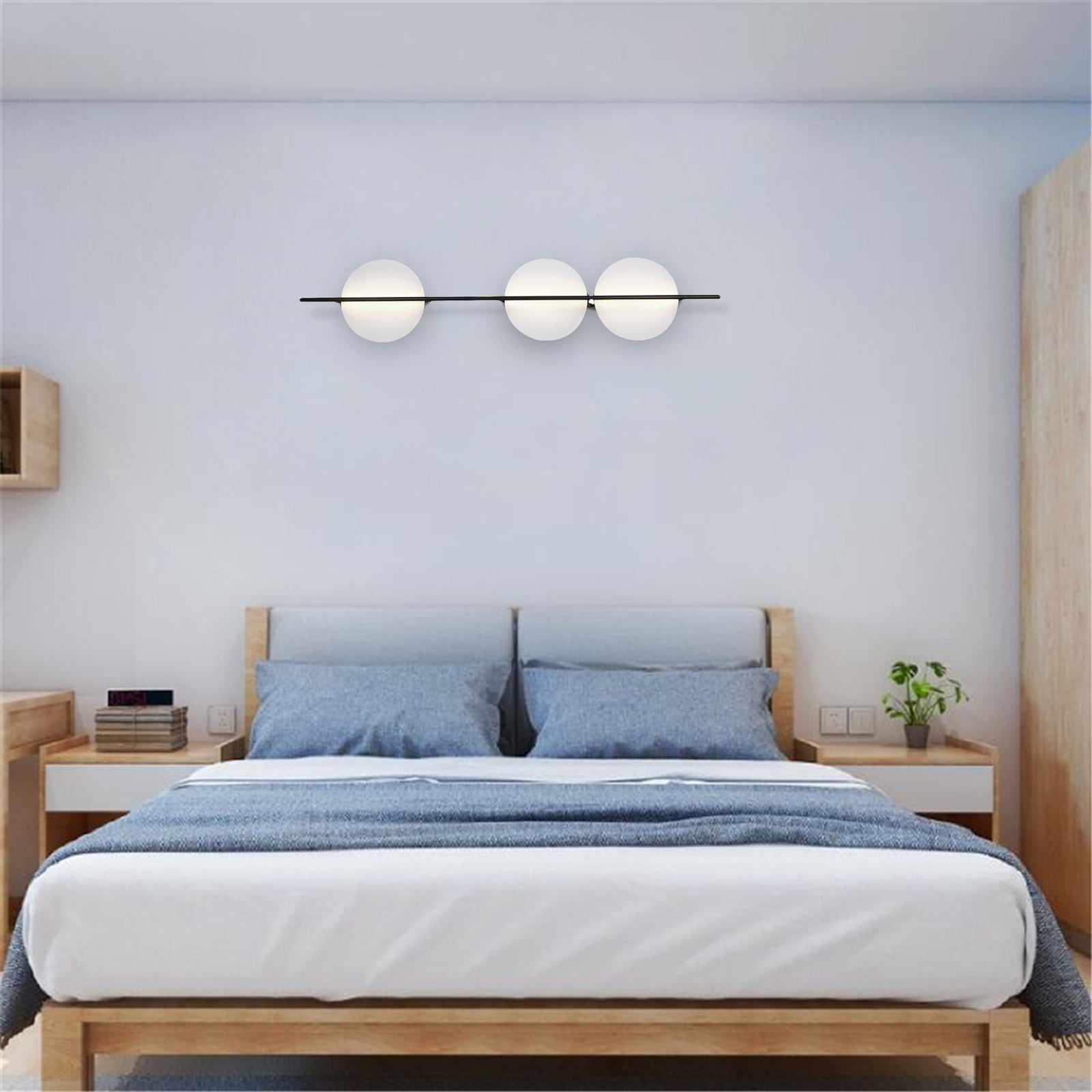
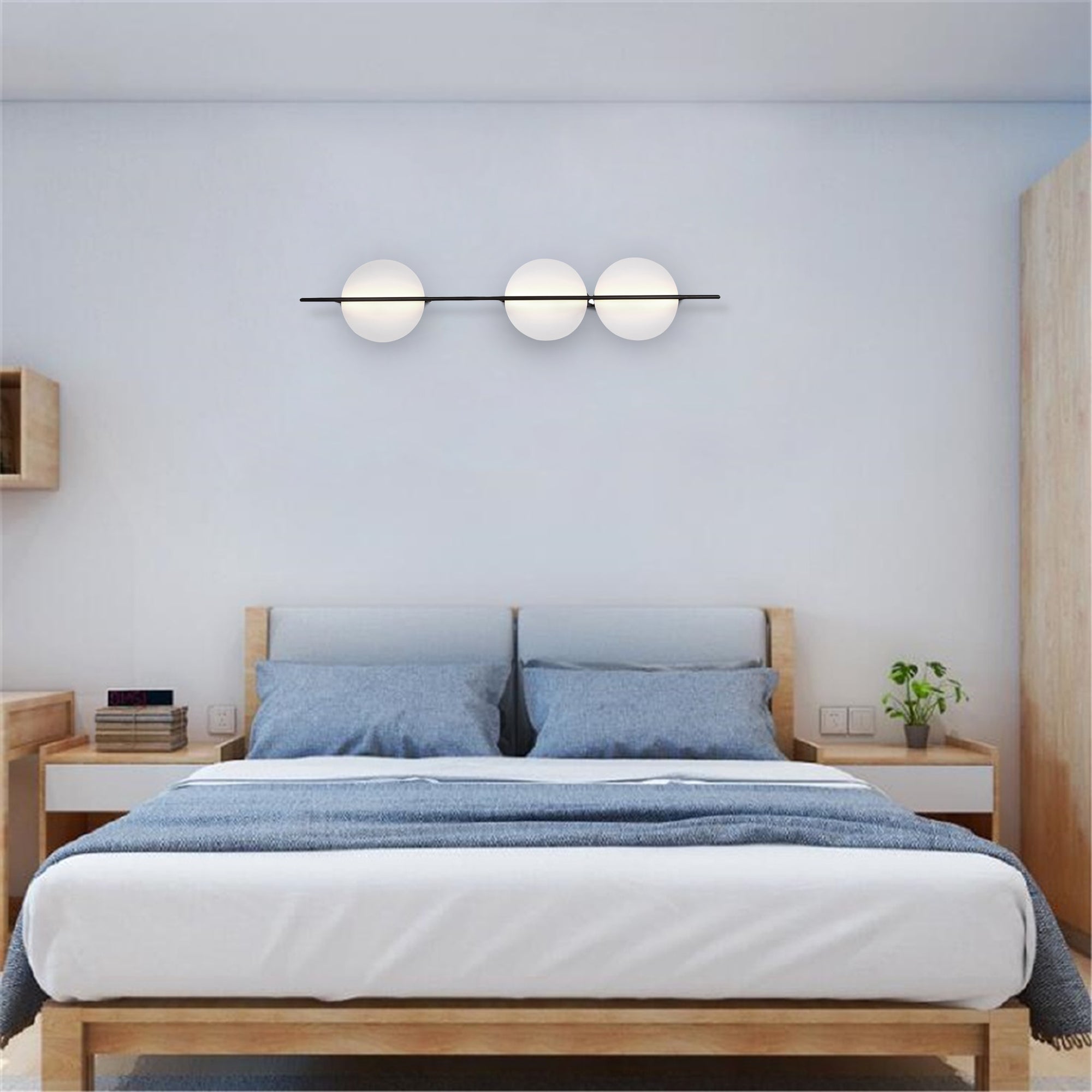
Table lamps are the default bedside choice, but they come with a trade-off: they take up nightstand space. In apartments where bedrooms are compact, this matters. A lamp can occupy half the surface, leaving barely enough room for a phone and a glass of water.
Bedside pendants solve this. They hang from above, giving you the full nightstand back. We used this approach for a turnkey apartment project at Peninsula Heights, a couple returning from the US after 40 years wanted their bedrooms to feel like a five-star hotel. They'd chosen beautiful side tables, but didn't want to crowd them. Pendant light, gave them soft light and a clear side table.
Height matters here. Too high and the light feels disconnected from the bed. Too low and it's in your face when you sit up. I usually adjust height based on the headboard height and how the clients use the space. Some people read in bed; others just need enough light to find their phone. The height shifts accordingly.
One practical point: if you're renovating, plan for separate switches on each side. Nobody wants to wake their partner to turn off a light.

See the full project: Peninsula Heights Apartment
Pendant lights for vanity areas
Most vanity areas rely on mirror lights or a single ceiling fixture. Functional, but not particularly considered. A pendant above the vanity adds a layer of warmth and makes the space feel more intentional, like a proper dressing area, not an afterthought.
We did this for a turnkey villa project at NVT Orchid Garden. The family had relocated from the US and wanted bold colours throughout their home, not the safe neutrals most people default to. The vanity sat in a corner with floral wallpaper behind it. It's already a nice spot, but the lighting was flat. A 4-light linear orb pendant above the dresser changed the quality of light in that corner. Softer, more even. The client said getting ready in the morning actually felt pleasant now, instead of rushed.
For vanity pendants, diffused light works better than direct. You don't want harsh shadows on your face when you're looking in the mirror. Frosted glass or globe shapes spread the light evenly. Position the pendant slightly in front of where you sit,not directly overhead which prevents shadows and puts the light where it's useful.

See the full project: NVT Orchid Garden Villa
Pendant lights for small rooms
Small rooms need careful handling. Pendants can help if they don't take floor space or surface area but scale matters more here than anywhere else.
A pendant that's too large will dominate a compact room. Something slim and simple usually works better than a statement piece. For a small guest bedroom in a turnkey apartment project, we used a single slim pendant beside the bed instead of a table lamp. It kept the nightstand clear and didn't overwhelm the room.
Ceiling height is the other factor. Below 9 feet, a low-hanging pendant can make the room feel shorter. In compact spaces with low ceilings, flush mounts or wall sconces often work better. The goal is adding light without making the room feel cramped.

See the full project: NVT Stopping by the Woods
See the full project: Raja Ritz Classic
Choosing the right pendant light style
With hundreds of options such as glass, metal, fabric, rattan, brass, chrome,choosing becomes overwhelming. I always start with the room, not the pendant.
Look at what's already there. A room with patterned wallpaper, textured fabrics, and colourful accents needs a pendant that won't compete. Clear glass or a simple white globe lets the room breathe. But a minimal room with clean lines and neutral colours, that's where an interesting pendant can be the focal point.
For a living room in a recent turnkey project, the clients had a calm, neutral space with a mint green TV wall and vertical wooden slats. The room didn't need another loud element. We chose a contemporary multi-globe pendant, interesting enough to notice, but not fighting for attention.
This is where visiting a showroom helps. At Light & Living, you can see different styles in context, how a brass pendant looks compared to glass, how different sizes sit in space. Their team can also suggest options based on the room you're working with, which saves time when you're narrowing down choices.

See the pendant lights collection at Lights & Living
When pendant lights don't work
Pendants aren't always the right choice. Knowing when to skip them is as important as knowing where they work.
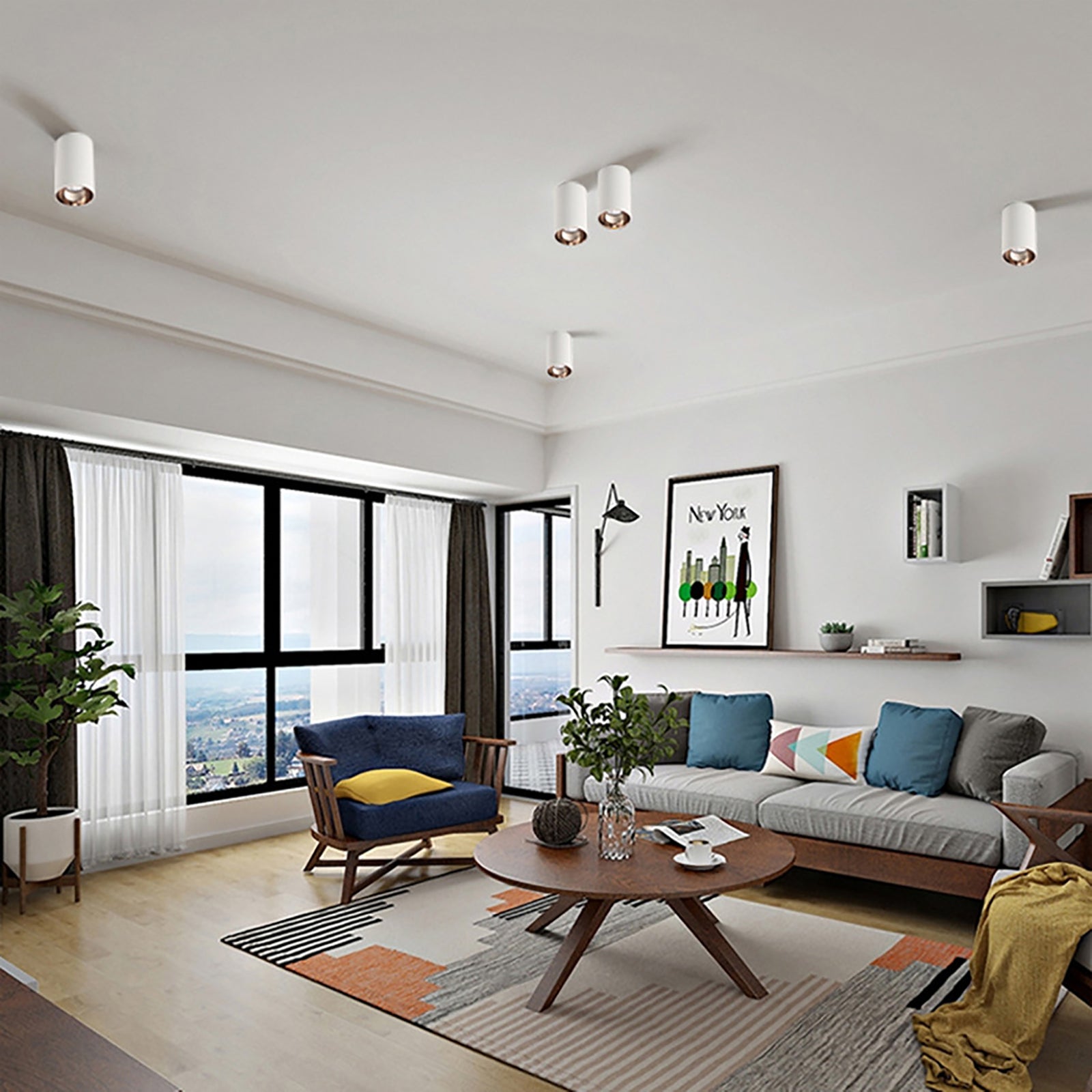
Low ceilings: Below 9 feet, most pendants make rooms feel shorter. Flush mounts or recessed lighting work better.
High-traffic areas: Anywhere people walk frequently, a low-hanging pendant
becomes an obstacle. Children's rooms are particularly tricky. You don't want lights at head height where kids are playing.
Visually busy rooms: If there's already a lot happening, bold patterns, heavy
furniture, multiple focal points then a pendant can tip things into clutter. Sometimes the better choice is a simple ceiling light that doesn't add to the noise.
Rooms that change often: Pendants are fixed. If you rearrange furniture regularly, or if a room serves multiple purposes, a floor lamp or track lighting gives
more flexibility.
The real test
Before finalising any pendant, I ask clients to picture themselves using the space daily. Not how it will photograph, how it will work on a Tuesday morning or a Sunday night.
Will you actually sit in that reading corner? Will the bedside light be easy to reach?Will you still like this pendant in five years, or is it a trend that will feel dated?
Good lighting choices don't draw attention to themselves. They just make daily life a bit easier. That's what I look for, fixtures that work quietly, look right in the space,and hold up over time.
If you're in Bangalore and want to see options in person, Light & Living's showroom in HSR Layout is worth a visit. They're open seven days a week and offer free home consultancy if you need help figuring out what works for your space.
—
About the author
Aanchal Yogesh is the founder of Inner Space Interior Design Studio. Since 2008, she and her partner Yogesh have completed over 300 turnkey interior design
projects across Bangalore, Chennai and Goa, with a focus on creating spaces that are personal, functional, and built to last.
Visit: www.innerspacedesign.co.in
Leave a comment (all fields required)